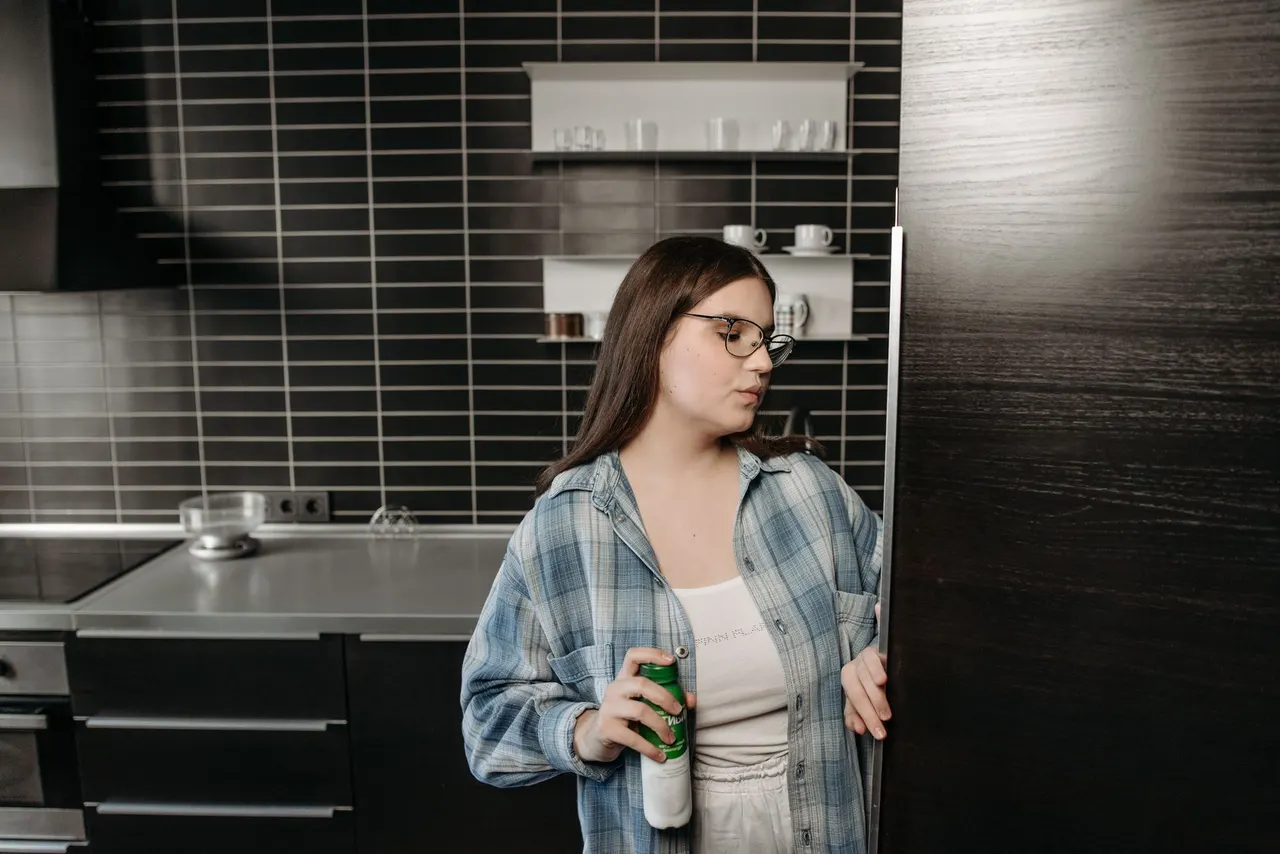
How Refrigerator Repair Works in Cibolo, TX
A refrigerator repair visit works in a simple order: you describe the symptoms, a knowledgeable technician inspects the whole cooling system, checks electrical, mechanical, and water parts, explains a written quote before any repair starts, completes the fix, and then tests the refrigerator again before leaving.
A refrigerator repair visit works in a simple order: you describe the symptoms, a knowledgeable technician inspects the whole cooling system, checks electrical, mechanical, and water parts, explains a written quote before any repair starts, completes the fix, and then tests the refrigerator again before leaving.
If your fridge is warm and the clock is ticking on food, call Cibolo Refrigerator Pros at (830) 555-0147. Tell us what you are seeing — warm, slightly warm, noisy, or leaking — and your zip code, and we will talk through the next available visit. Availability depends on schedule, location, and repair type, so calling early improves the chance of a same day opening.
What should you tell us when you call?
The service call goes faster when the first conversation is specific. We do not need a technical diagnosis from you — that is our job — but the details you notice help a courteous technician arrive thinking about the right parts of the system. Be ready to share:
- Whether the fresh-food section is fully warm or only slightly warm
- Whether the freezer is still cooling, soft, or holding at 0°F
- Any sounds: clicking, buzzing, grinding, humming, or a fan that starts and stops
- Whether there is water inside the fridge, under the crispers, or on the floor underneath
- The brand and model number, if you can find the label inside the fresh-food wall or door frame
- Whether the problem started after a power outage, a storm, or moving the refrigerator
That list matters because the same symptom can come from different causes. A warm fridge with a cold freezer often points to airflow, an evaporator fan, or a defrost problem — not automatically a compressor. Clicking may be a start relay, a control board, or a compressor struggling to start.
What happens when the technician arrives?
Step 1: We listen, then look at the whole system
The visit starts with your description. When did it start? Is ice cream soft? Has the ice maker stopped or started making small, hollow cubes?
Then the technician inspects the refrigerator as a complete system: compressor, condenser coil and fan, evaporator fan, start relay, control board, thermostat and temperature sensor, defrost heater and timer, door gasket, water inlet valve, fill tube, and drain line — as relevant to your symptom. Temperatures are checked against the targets: around 37°F fresh-food and 0°F freezer. Replacing a part because it is the usual suspect, without testing the parts around it, is how a small issue turns expensive.
Step 2: Electrical, mechanical, and water checks
Next come three kinds of checks, because refrigerator failures are rarely only one kind.
Electrical checks cover power, the start relay, control board signals, thermostat and sensor readings, and whether fans and the compressor get the commands they should. After a storm, this matters even more — a surge on GVEC power restoration can damage a board while the fridge lights still work.
Mechanical checks cover the compressor cycling, both fans spinning freely, the damper opening and closing, gaskets sealing all around, and the unit sitting level so doors close on their own.
Water checks cover the water inlet valve, fill tube, supply line, filter housing, and defrost drain line. In Cibolo, where water comes through the City of Cibolo or Green Valley Special Utility District (GVSUD), with City supply via Canyon Regional Water Authority (CRWA), mineral-heavy water makes slow ice, clogged fill tubes, and valve leaks a regular part of the conversation.
Step 3: You get an explained, written quote before work
Before any repair begins, you get an explanation of the problem and a written quote. Not a vague range after the work is done — a quote you can read, question, and approve first.
This is where cost transparency matters. Typical national ranges, from Angi (updated October 2026), put the average refrigerator repair at $275, with most jobs between $150 and $400. By repair, typical ranges look like this:
| Repair | Typical national range |
|---|---|
| Thermostat, defrost, or fan repairs | $100–$250 |
| Ice maker repair | $100–$300 |
| Control board | $200–$500 |
| Compressor | $300–$800 |
| Door gasket or dispenser | $75–$200 |
Your quote depends on brand, model, and part needed. French-door models typically run $250–$600 and built-in units $300–$700 in those guides. The diagnostic fee is one flat fee, confirmed before we dispatch, and completed work is covered by a written parts-and-labor warranty, with terms stated on your invoice — both stated plainly.
If the quote does not make sense for the fridge's age, we will say so. Fridges last roughly 10 to 13 years, and the 50% rule applies: if a repair costs more than half a comparable replacement, replacement deserves a serious look. See repair or replace refrigerator.
Step 4: The repair, on the first visit when the part allows it
With your approval, the technician completes the repair. Common fixes — a start relay, evaporator fan, defrost component, water inlet valve, or door gasket — can often finish on the first visit when the part is available for major brands. Sealed-system work, such as a compressor, and some control boards can take longer, and we will tell you that before you approve anything. We use your model number to match parts exactly: a Samsung French-door, an LG with a linear compressor, and a Whirlpool top-freezer may share a symptom, but not parts or procedures.
Step 5: Full test after the repair
A repair is not finished when the part is in. It is finished when the refrigerator proves it. The technician tests the full cycle: compressor running and cycling, both fans moving air, temperatures heading toward 37°F and 0°F, ice maker cycling if it was part of the job, dispenser flowing, and no new leaks at valve, line, or drain. You will hear what was tested, and what to watch over the next 24 hours.
How should you prepare before the visit?
A little prep saves real time in Cibolo homes — 82.3% owner-occupied, median home built in 2008, so kitchens in Cibolo Valley Ranch, Bentwood Ranch, Falcon Ridge, and Turning Stone juggle school, commutes up FM 1103 and I-35, and a full H-E-B shop.
Pre-visit prep checklist
- Note whether the fridge is fully warm or slightly warm, and whether the freezer still cools
- Write down any clicking, buzzing, or grinding, and when it happens
- Note water inside the fridge or underneath it, and mop up standing water to protect the floor
- Have the brand and model number ready — photograph the inside label if bending down is difficult
- Clear access around the refrigerator: move bins, magnets with notes you need, and anything blocking the sides
- Move perishables you want to save into a cooler with ice if the fridge has been warm a while
- Keep pets in another room and make a clear path from the door to the kitchen
- If you are in a gated neighbourhood, have the gate code ready to share on the call
One safety note: the FDA clock is strict. Perishables above 40°F for more than 2 hours should be discarded — 1 hour if the room is above 90°F, which an August Cibolo garage can reach. An unopened fridge holds safe temperature about 4 hours without power, a full freezer about 48 hours. Do not taste food to test it. See also refrigerator not cooling and the refrigerator repair hub.
What affects how long a visit takes, and what does it cost?
A straightforward fan, relay, or valve repair is usually a single visit. Sealed-system testing, a brand-specific part ordered by model number, and tight access stretch the timeline. Flexible scheduling helps: tell us your window — a Steele High School pickup, a Schertz shift, a drive back from JBSA-Randolph — and honest staff will say plainly what is realistic. Same day is never guaranteed; it depends on schedule, location, and repair type.
The service call starts with the diagnostic fee: one flat fee, confirmed before we dispatch. Nationally, diagnostic fees typically run $50 to $150. You will not get a repair started without approval, or a final bill unlike the quote you approved. If testing reveals a second problem that changes the price, work pauses and the quote is explained again — the opposite of the $645 untested guess and $800 sight-unseen sealed-system quotes homeowners complain about online.
Reviewed by our Lead Refrigerator Technician.
How long does a refrigerator repair visit usually take?
Diagnosis comes first, followed by the repair if you approve the quote and the part is available. Simple repairs can finish in one visit. Sealed-system work, special-order boards, and built-in units can take longer or need a return visit — explained before work starts.
Do I have to approve the repair after the diagnosis?
No. The diagnosis ends with an explanation and a written quote. You decide. If you decline, you still know what failed, what it would cost, and whether the 50% rule points toward a new refrigerator.
What is the diagnostic fee?
The diagnostic fee for this service is one flat fee, confirmed before we dispatch. It covers the whole-system inspection and the electrical, mechanical, and water checks that produce your written quote. Nationally, diagnostic fees typically run $50 to $150.
Should I empty my refrigerator before the technician arrives?
No, but clear access around the unit and move anything blocking the sides or vents. If food has been above 40°F for more than 2 hours, follow FDA guidance and discard perishables.
Can you fix it on the first visit?
Often, yes — for common major-brand parts such as fans, start relays, defrost parts, valves, and gaskets. It depends on having the correct part for your model number, which is why sharing brand and model number when you call helps so much.
What if my fridge stopped after a power outage?
Tell us when you call. Surge damage often affects the control board, start relay, or compressor, and the fridge may light up but not cool. Note how long power was out, keep doors closed, and see our Texas heat and storm fridge guide.
Do you repair washers, dryers, or ovens on the same visit?
No. This service is refrigerator-only — refrigerator, freezer, and ice maker repair. A knowledgeable technician who works on fridges every day diagnoses cooling systems faster than a generalist splitting time across every appliance.
Frequently Asked Questions
Not seeing your question? Our local team can help you understand urgency, scheduling and what to expect.
Ask the local teamReady to get your fridge checked properly, with the quote explained before any work starts? Call Cibolo Refrigerator Pros at (830) 555-0147 — tell us the symptoms, the brand and model number if you have it, and your Cibolo zip code, and we will take it from there.
Contact Cibolo Refrigerator Pros
Call (830) 555-0147 and a knowledgeable staff member will ask about your brand, model number, zip code and symptoms, then offer the earliest honest arrival window. Every completed repair is covered by a written parts-and-labor warranty, and every quote is explained before work starts — that is how refrigerator repair in Cibolo should work.
Prefer to start with information instead of a booking? The cost guide, error-code library and diagnosis articles on this site are written from the same Cibolo job patterns our technicians see weekly, and they are free to read before you ever call. When you are ready, the number is (830) 555-0147 and the diagnostic fee is confirmed before we dispatch — no surprises at the door.